



steel rolling mills
/Industrial rolling mills for steel and their associated companies stand at the forefront of modern metallurgy, offering unparalleled expertise, efficiency, and innovation in steel production. These establishments are pivotal in transforming raw materials into high-quality steel products used in various sectors worldwide. Rolling mills are specially designed equipment employed to process steel into a wealth of shapes and dimensions through the application of heat and pressure. The process involves passing metals through pairs of rolls to reduce thickness, create uniformity, and improve mechanical attributes. These capabilities are invaluable, contributing to essential infrastructure, automotive manufacturing, machinery, and resilient construction materials. Steel, known for its versatility, strength, and recyclability, becomes a formidable material when refined by proficient rolling mill operations. This production technique ensures steel retains its sought-after properties while meeting rigorous industry standards for durability and performance. Expertise in Industrial Rolling Mills At the core of industrial rolling mill operations is an incredible array of expertise, combining engineering prowess with innovative technologies. The machinery employed is subject to precise calibration, demanding skilled technicians and engineers who understand the intricacies of thermomechanical treatment. Their knowledge of metallurgy and its reaction under various conditions is indispensable to maintaining high standards in end products. Furthermore, associated companies that provide auxiliary services or components—such as custom roll manufacturing, lubrication systems, and automation solutions—are integral. These collaborators extend the capability of rolling mills, ensuring continuous improvement and adaptation to newer, more efficient processes. Authoritativeness through Advanced Technologies The adoption of cutting-edge technology further elevates the authority of rolling mill enterprises. Modern mills are equipped with real-time data analysis and monitoring systems. These innovations facilitate a comprehensive overview of operations, enabling immediate responses to variations in the rolling process. Technologies like electric arc furnaces, computer-controlled roll stands, and high-speed microcontrollers reinforce the capability to produce precise, custom steel products. Industrial Drum Mill for Steel and Co Moreover, research and development within these industries are focused on advancing rolling technology. Projects often explore the circular economy and the reduction of carbon footprints, reflecting a dedicated effort to sustainably innovate within a traditional industry. Trustworthiness Adherence to Global Standards The credibility of industrial rolling mills is reinforced by their compliance with international standards such as ISO 9001 and ISO 14001, which underscore a commitment to quality management and environmental stewardship. Regular audits and certifications attest to the reliability and quality of the processes. Intense competition in the global market for steel production also necessitates transparency and accountability. Stellar customer service, clear communication, and post-sale support establish trust between manufacturers and clients. Consistent delivery of promised specifications ensures customer loyalty and long-term partnerships. Real Experience Transforming Raw Potential Success stories abound within the realm of steel rolling mills. Industrial giants and family-run operations alike share accounts of growth and adaptation. From small-scale beginnings to becoming global suppliers, these entities exemplify the transformative power of dedication and innovation. For instance, leveraging waste-heat recovery systems not only optimizes temperature control but also significantly reduces energy consumption, steering production systems toward environment-friendly practices. This integration speaks to firsthand experiences where operational efficiency and sustainability meet. In summation, the evolution of industrial rolling mills extends beyond mere steel production . It encapsulates a synergy of Experience, Expertise, Authoritativeness, and Trustworthiness—pillars that support a robust and resilient industry. With a harmonious blend of tradition and technology, these rolling mills continue to forge the future of steel, propelled by a commitment to quality, innovation, and sustainable practices.

We have successfully executed over 500
projects around the world,
many first-of-their-kind
research projects and products in China, including
We have successfully executed over 500
projects around the world,
many first-of-their-kind
research projects and products in China, including
-
2004
The 1st hydraulic AGC system for hot rolling of ribbon steel
-
2006
The 1st AFC system used for 1450mm skin pass mill
-
2009
The 1st 5-stand tandem line with 2-stand POR & Uncoiler for 650mm ribbon steel
-
2012
The 1st reversing mill for 1380mm strip
-
2016
The 1st soft-rolling system used in skin pass mill
-
2019
The 1st fully automated medium-width tandem cold rolling mill
-
2021
The 1st 5000KN Twin-stand double skin pass mill
-
2022
The 1st coupled pickling line & tandem cold mill with two modes - big roller & small roller
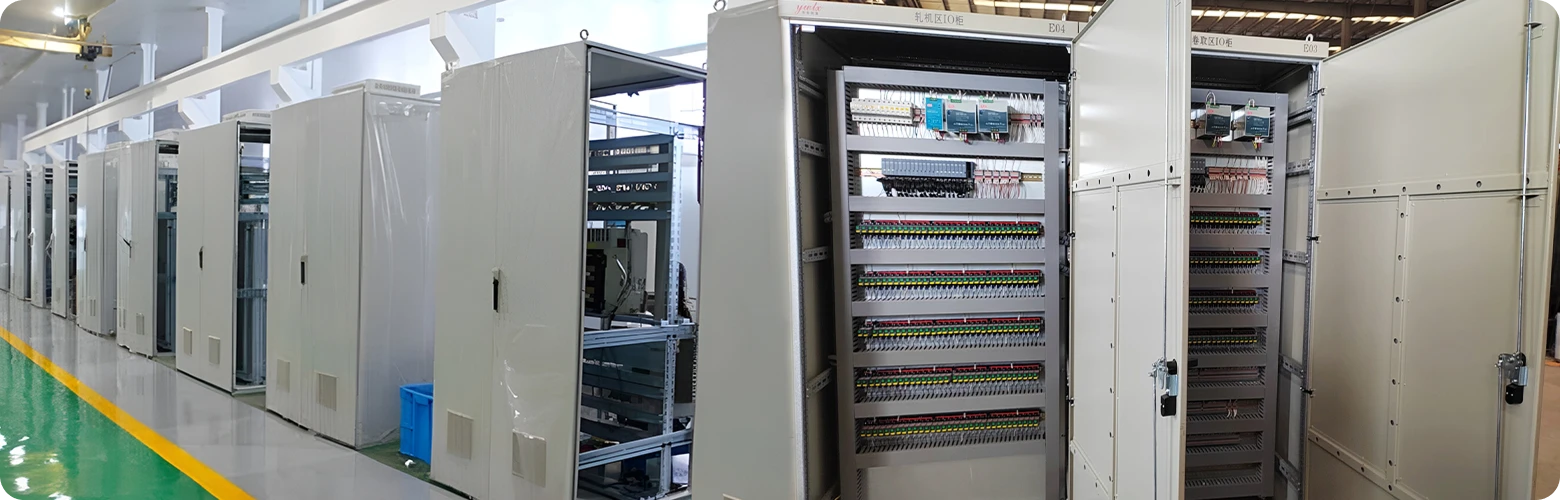
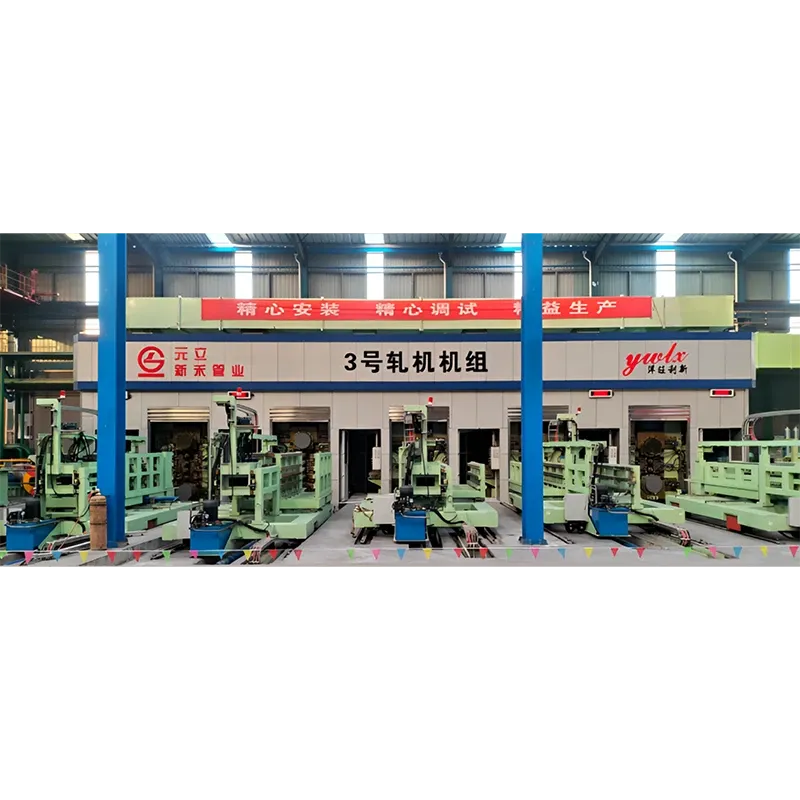
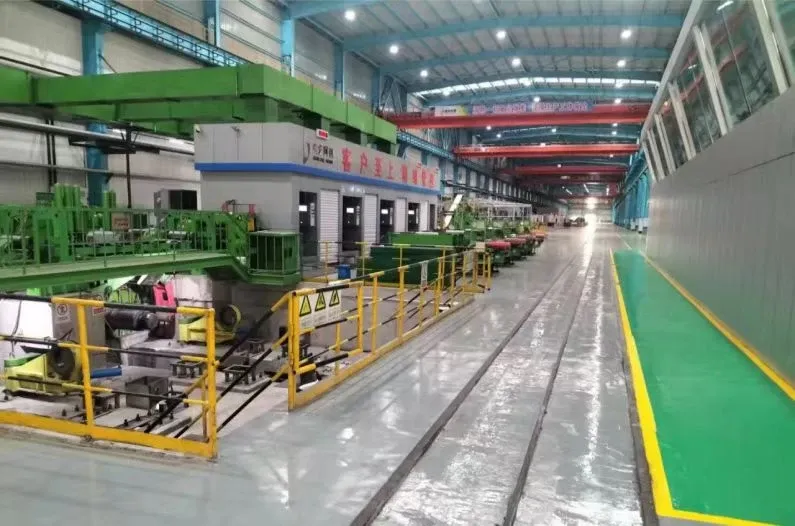
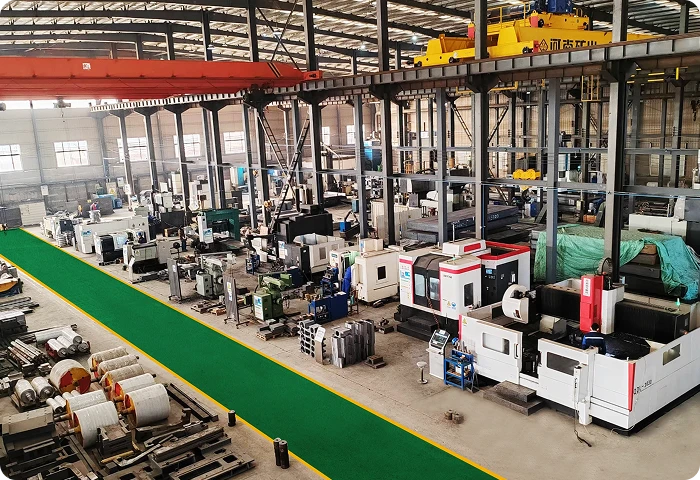
Yang Wang Li Xin operates a state-of-the-art facility over 66,000 square meters,and our manufacturing facility is fully equipped with high-tech machinery and high-capacity cranes. This enables us to handle large work pieces measuring 4.5m in width, 10m in length, and 1.5m in height, guaranteeing our capacity to produce 1800mm skin-pass mills and 1450mm rolling mills. The individual piece can weigh up to 100 tons.

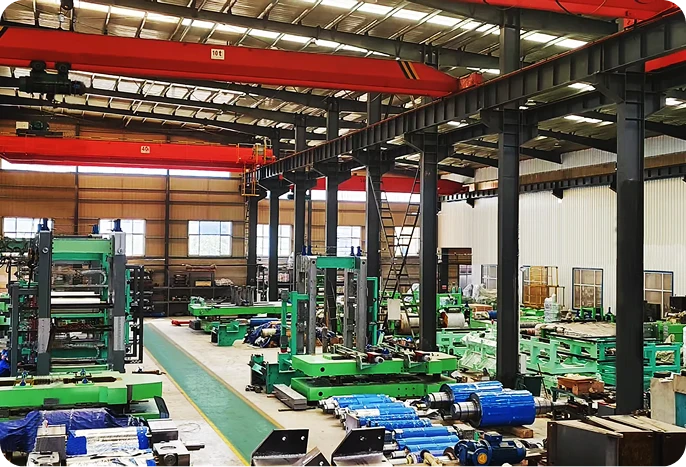

Quality is fundamental to the enterprise survival. We have established a comprehensive and meticulous quality management system and have successfully obtained ISO14000 certification. Starting from the design source, it supervises the entire production cycle, including design, procurement, processing, assembly, in-factory testing, installation, and online commissioning. The workshop is equipped with measuring tools like vernier calipers, spectrometers, hardness testers, and ultrasonic flaw detectors. They are used to check materials and control tolerances to ensure the final equipment meets or exceeds requirements. All products have a unique code, This enables the easy identification and traceability of the equipment components and ensures full control of quality.


-
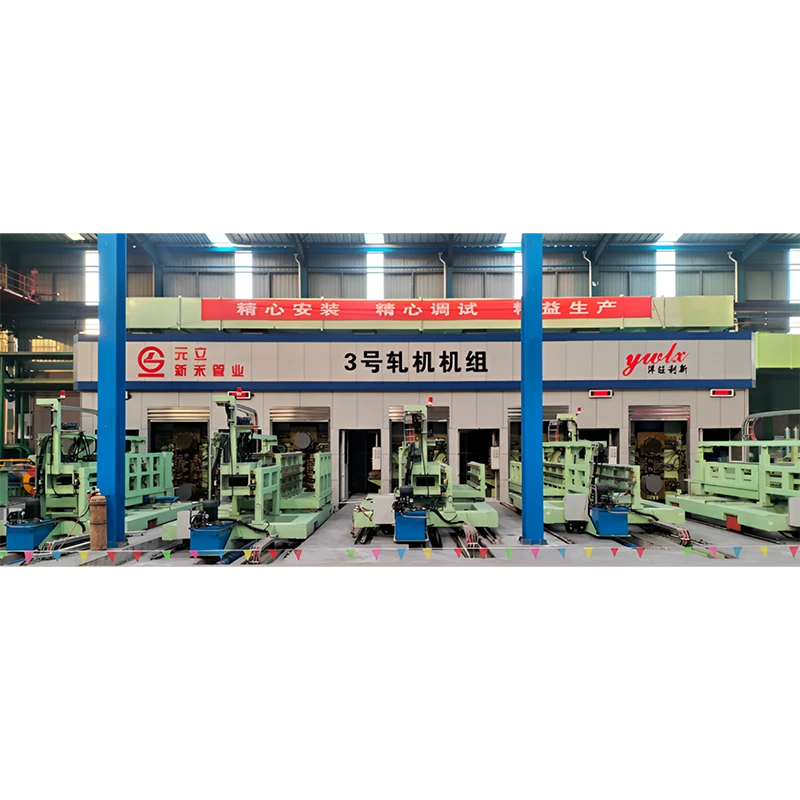 AGC System in High-Speed Rolling OperationsIn today's high-speed rolling operations, the automatic gauge control system (AGC) has become an indispensable technology for maintaining precise thickness tolerances in strip production. As rolling speeds continue to increase to meet production demands, conventional manual control methods have become obsolete, giving way to sophisticated AGC controller systems that can make microsecond adjustment
 -
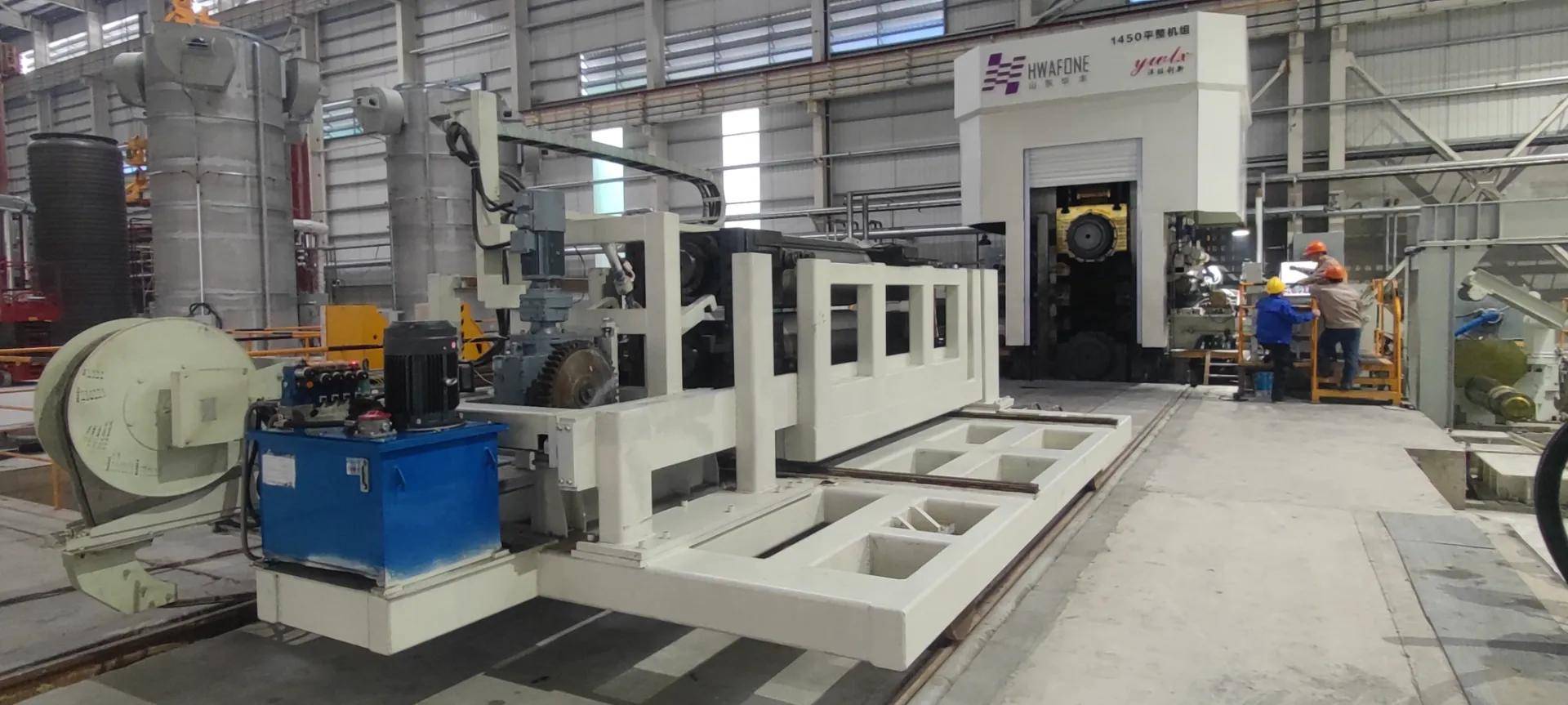 آسیاب فولادی روبانThe pursuit of excellence in steel manufacturing has always driven the most innovative companies to constantly push the boundaries of modern technology. Among the leading products in this technology-driven marketplace is the steel ribbon mill, a marvel of engineering that combines strength and precision. With years of experience in creating cutting-edge steel products, I've delved into the intrica
 -
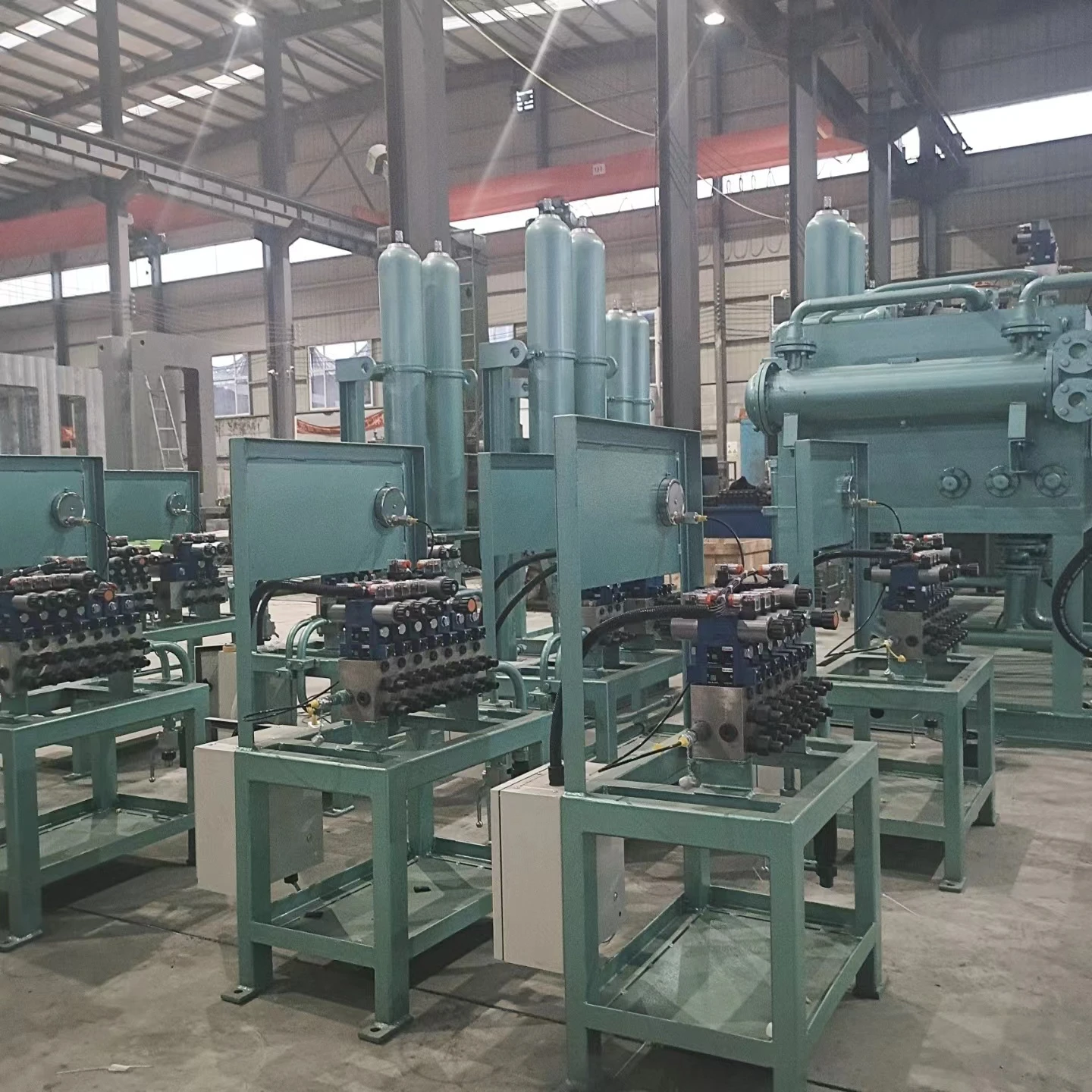 Water Tank Cooling System: Efficient & Reliable SolutionsAdvancing Industrial Efficiency: The Critical Role of Water Cooling Systems for Water Tanks In today's rapidly evolving industrial landscape, efficient thermal management is paramount for maintaining operational stability, extending equipment lifespan, and ensuring process integrity. Industries ranging from petrochemicals to power generation and metallurgy face constant challenges related to heat


